
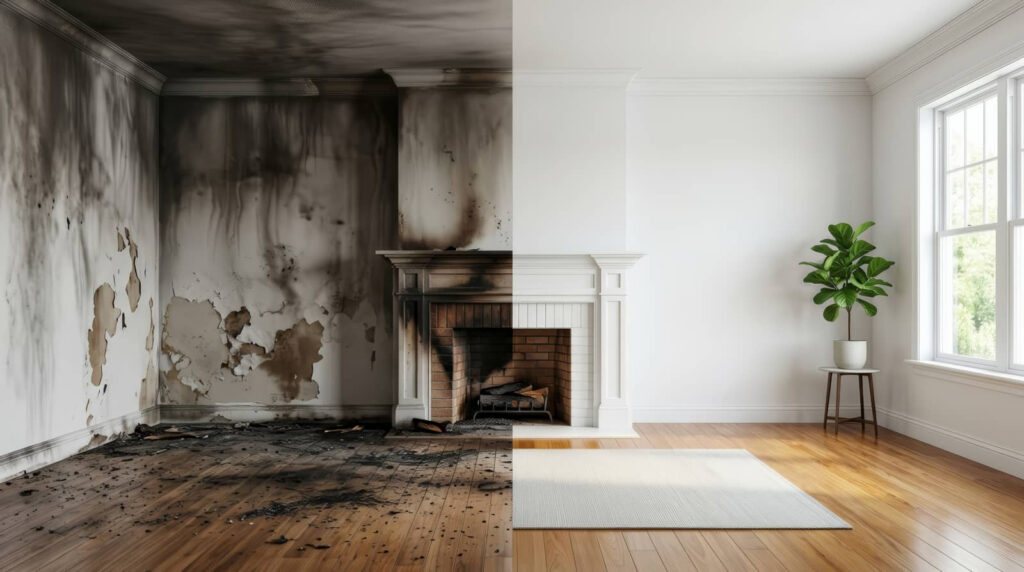
After a kitchen fire leaves your home filled with smoke and damaged cabinets, you need to act fast and protect your claim. A fire damage insurance claim starts with documenting every loss, notifying your insurer, and pushing for coverage that reflects the full repair cost, not just the obvious damage. The steps you take next can shape your settlement, your temporary living support, and how firmly you’re positioned if the insurer pushes back.
Key Takeaways
- Ensure everyone’s safety first, leave if the property is unsafe, and prevent further damage only with reasonable temporary measures.
- Notify your insurer immediately, request a claim number, and keep records of every representative and communication.
- Document all fire, smoke, soot, and water damage with photos, videos, inventories, and receipts for related expenses.
- Meet the adjuster on-site, point out all damaged areas, and compare estimates carefully against your documentation and contractor input.
- If the claim is delayed or denied, demand written explanations, escalate in writing, and preserve all appeal options.
Handle the First Steps After a Fire
Right after a fire, you need to protect your safety, limit further damage, and start building your claim record. Leave the property if smoke, heat, or structural damage makes it unsafe, and call emergency services if needed.
Once it’s clear, photograph every room, every damaged item, and any water, soot, or broken material you see. Save receipts for temporary housing, protective supplies, and urgent repairs.
Don’t toss damaged items until your insurer says it’s okay. Notify your insurer promptly and ask what they need next.
Keep a simple log of dates, names, and conversations so you stay organized and supported. These first actions strengthen your fire damage insurance claim process and help you protect your rights while you move forward with confidence.
Start Your Fire Damage Insurance Claim
You should notify your insurer as soon as possible to start the claim and protect your rights.
Document every fire-related loss with clear photos, videos, and notes so you can support your claim with solid evidence.
Ask for your claim number right away so you can track every update and keep the process moving.
Notify Your Insurer
Alert your insurer as soon as possible to start the fire damage claim process and protect your right to coverage.
You should call the claims line, report the loss, and ask for a claim number right away.
Give clear facts about when the fire happened, what areas were affected, and whether the home is safe to enter.
Keep your tone calm and firm, and request the name, title, and direct contact information of every representative you speak with.
Ask what immediate steps they want you to take and confirm any emergency services they approve.
If you feel uncertain, bring a trusted advocate, such as a contractor, public adjuster, or attorney, into the conversation.
Staying organized now helps you feel supported and keeps your claim moving.
Document Fire Damage
Once the scene is safe, document every fire-related loss before you move, clean, or discard anything.
Take clear photos and videos of each room, showing smoke, soot, water, and structural damage. Capture close-ups of ruined belongings, then wider shots that show context.
Make a detailed list of damaged items, including brand, model, approximate age, and what each item meant to your home and routine. Save receipts, manuals, and repair records if you have them.
Keep notes on odors, heat, and any areas you can’t safely enter. Back up everything in more than one place so you don’t lose proof.
Careful documentation helps you stand your ground, show the full scope of loss, and protect your claim with confidence and clarity.
Request Claim Number
Before you do anything else, ask your insurer for a claim number and the name, phone number, and email of the assigned adjuster. You’ll use this number on every call, email, photo, estimate, and repair update, so keep it in one safe place.
Confirm the date you reported the loss and ask what documents they need next. If possible, request the preferred claim portal or mailing address too.
Clear contact details help you stay connected, reduce delays, and protect your rights while you rebuild. You deserve a process that feels organized, respectful, and steady.
When you know who handles your file, you can follow up confidently, track responses, and keep your claim moving forward with your community beside you.
Document Fire Damage for Your Fire Claim
Start with a thorough record of the fire damage so your claim has clear, supportable proof.
Walk through every room and capture wide shots and close-ups of burned walls, ceilings, floors, fixtures, and personal items.
Save images in order, and note the date, time, and room name for each one.
Write a simple list of damaged property, including brand names, model numbers, purchase dates, and estimated values when you know them.
Keep receipts, warranties, and any pre-loss photos that show the condition of your home and belongings before the fire.
If it helps, ask a trusted friend or family member to help you stay organized.
Strong documentation shows your insurer exactly what happened and helps you stand with confidence as your claim moves forward.
Include Cleanup and Smoke Damage in Your Claim
You should include the full cleanup scope in your claim, not just the visible fire damage, so you can recover costs for debris removal, soot treatment, and contaminated items.
Make certain your claim also covers smoke residue coverage, since smoke can seep into walls, fabrics, HVAC systems, and other areas that need professional cleaning.
When you document these losses clearly, you strengthen your position and help ensure the insurer accounts for every needed service.
Cleanup Scope
A thorough cleanup scope should capture more than visible fire damage, because smoke, soot, ash, and water from suppression efforts can all affect your property.
You should ask your adjuster to list every affected room, surface, and personal item so nothing gets left out. Your claim should reflect debris removal, demolition, deep cleaning, odor treatment, and contents handling, along with any temporary protection needed to keep damage from spreading.
When you document these tasks, you strengthen your position and help the insurer see the real work ahead. Stay organized, keep photos and notes, and speak up if the scope feels incomplete.
You deserve a plan that restores your space safely, fully, and with respect for your home and peace of mind.
Smoke Residue Coverage
Even after the flames are out, smoke residue can keep damaging your home, so your claim should include cleanup and smoke-related losses in full.
You need to document soot on walls, cabinets, clothing, electronics, HVAC ducts, and hidden spaces where odor lingers.
Take clear photos, list every affected item, and save receipts for deodorizing, air scrubbing, and contents cleaning.
Ask your adjuster to inspect for acidic residue, corrosion, and long-term contamination, because smoke can worsen damage after the fire.
If you only claim visible burn marks, you may leave money on the table.
You deserve a full recovery, and that means insisting on professional smoke remediation, replacement when cleaning fails, and temporary living costs if the air stays unsafe.
Stay organized, stay firm, and keep your claim tied to real loss.
Meet the Insurance Adjuster
When the insurance adjuster arrives, treat the meeting as a key step in building your claim, because this is where the insurer reviews the fire loss and assesses what it may cover.
You should walk the property with them, point out every affected area, and share your photos, inventory, and notes. Stay calm, factual, and firm. If something seems overlooked, speak up right away so your concerns stay in the record.
Ask how they want documents submitted and who your main contact will be. You don’t have to navigate this alone; you can bring a trusted advocate or contractor for support.
Clear communication helps you protect your rights, keep the process organized, and move your claim forward with confidence.
Review the Fire Damage Estimate for Missing Repairs
You should review your fire damage estimate line by line to confirm it covers every repair you need.
Watch for missing scope items like smoke-damaged materials, hidden structural damage, or cleanup tasks that weren’t included.
If anything’s absent or undercounted, you can push for a corrected estimate that reflects the full cost of restoring your property.
Missing Scope Items
A careful review of your fire damage estimate can uncover missing scope items that keep the claim from fully addressing your loss.
You deserve a repair plan that reflects everything the fire touched, from hidden smoke damage to damaged trim, insulation, drywall, flooring, and affected contents. If an item isn’t listed, bring it forward right away.
You can compare the estimate to photos, contractor notes, and your own walkthrough so nothing slips through. Stay alert for spaces the adjuster may have overlooked, like attic soot, cabinet interiors, or removed materials needed for safe restoration.
When you speak up, you protect your home and your recovery. A complete claim helps you feel seen, supported, and ready to move forward with confidence.
Estimate Line Verification
Review the fire damage estimate line by line to catch repairs that the adjuster may have left out. You should compare each item with the inspection notes, photos, and contractor input so nothing gets missed.
Look for damaged framing, smoke-affected insulation, soot cleanup, electrical testing, paint blending, trim replacement, and code-required upgrades. If the estimate lists a partial repair where you need full replacement, flag it.
You belong in this process, and your voice matters when the scope doesn’t reflect real loss. Ask for written clarification on every gap, then submit your supporting evidence in an organized packet.
When you verify each line, you protect your claim, strengthen your position, and help secure the repairs your home truly needs.
Cover Temporary Repairs and Living Costs
While your claim is under review, keep track of temporary repairs and added living costs so you can ask for reimbursement later.
You should protect your home from further damage with reasonable fixes like tarps, board-up service, or water removal, and save every receipt, invoice, and photo.
If the fire makes your home unlivable, document hotel bills, short-term rentals, meals beyond your usual spending, laundry, storage, and extra travel.
Write down dates, reasons, and who helped you. Use one folder or digital file so you stay organized and confident.
Your insurer usually expects you to limit losses, but you shouldn’t absorb those costs alone.
Keep copies of canceled checks and card statements, too. Clear records help you show what you paid and support your place in the recovery process.
How to Negotiate a Fair Fire Claim Settlement
Once you’ve tracked repairs, cleanup costs, and temporary living expenses, you can use that paper trail to push for a fair settlement.
Compare the insurer’s estimate with your contractor bids, inventory list, and replacement prices so you can spot gaps. Ask for written explanations when an item looks low, and point to photos, receipts, and fire-damage reports that support your numbers.
Stay calm, firm, and consistent in every call or email, because you deserve a response that reflects your loss.
If the first offer misses hidden damage, structural work, or code-required upgrades, document those costs and request a revised review.
You’re not being difficult; you’re protecting your home, your budget, and your place in the community.
How to Respond to Fire Claim Delays and Denials
If your fire claim is delayed or denied, don’t wait passively—demand a clear written explanation and the exact policy language the insurer relied on. You deserve answers, and you’re not alone in pushing for them.
- Gather every letter, email, photo, estimate, and inspection note tied to the claim.
- Challenge vague reasons by asking for the specific facts, deadlines, and documents supporting the decision.
- Escalate in writing, keep a dated log, and set a firm response date.
Stay calm, but stay firm. You can point out missing evidence, inconsistencies, or unfair assumptions without giving up your rights.
If the insurer still stalls, ask for a supervisor review and preserve your appeal options. Clear records help you stay in control and keep your case moving.
Plan Repairs After Claim Approval
After your fire claim is approved, you can shift from documenting losses to organizing the work ahead.
Start by reviewing the adjuster’s settlement, your contractor bids, and any policy limits so you know what the insurance will cover.
Prioritize safety, then sequence demolition, smoke remediation, structural repairs, and finishing work in a way that reduces delays and extra costs.
Choose licensed professionals who’ve handled fire restoration and can coordinate with your insurer.
Keep every change order, receipt, and photo in one file so you can protect your claim if questions come up.
Stay in contact with your adjuster, ask for written approvals, and confirm timelines before work begins.
You don’t have to manage this alone; with a clear plan, you can rebuild with confidence and keep your home moving toward normal.
Frequently Asked Questions
Does My Policy Cover Code Upgrades After a Fire?
You may have code-upgrade coverage if your policy includes ordinance or law protection; otherwise, you probably don’t. Check your declarations, ask for endorsements, and document repairs so you can advocate for full, compliant rebuilding.
How Long Do I Have to File a Fire Claim?
Like a clock ticking in smoke, you usually have months, not days, to file. Check your policy now, document everything, and push your insurer promptly—your voice matters, and you deserve a fair, timely claim.
Will My Premium Increase After a Fire Claim?
Yes, your premium can rise after a fire claim, but you’ve got options. You should review your policy, ask about claim impact, and advocate for yourself with your insurer or agent to protect your coverage.
Can I Choose My Own Contractor for Repairs?
Yes—you can often choose your own contractor, like choosing the right bridge after a storm. You should confirm your policy, get approvals, and keep records, so you protect your interests and stay in control.
What Records Should I Keep During the Claim Process?
Keep every receipt, photo, inventory list, inspection note, estimate, and insurer email. You should also save repair quotes and cleanup invoices. These records protect you, strengthen your claim, and help you feel supported throughout the process.
Final Thoughts
After a fire, you don’t get the luxury of vague promises and cheerful brochures—you need receipts, photos, and a claim that actually covers the mess. You’ve done the hard part: documented damage, pushed for fair treatment, and kept every paper trail neat enough to annoy an adjuster. Now keep pressing until the settlement reflects the real loss, not some budget fantasy. Then you can plan repairs, rebuild with confidence, and move forward on your terms.