
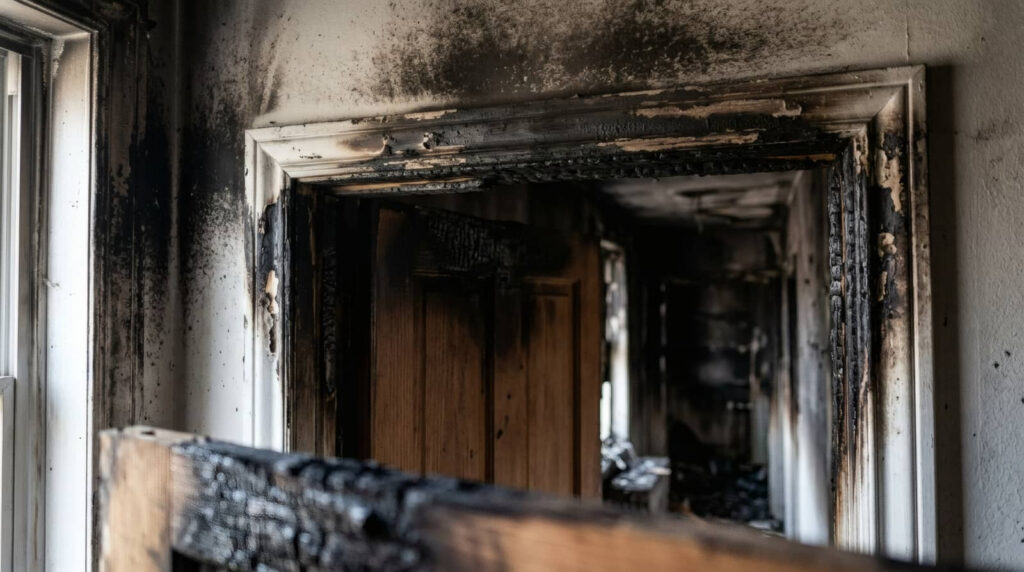
After a fire, you need to act quickly, but only once authorities clear the scene. You’ll first verify structural and electrical hazards, then document visible damage before you move debris or soot. Proper PPE, controlled airflow, and dry cleaning methods help limit further contamination and protect salvageable materials. The next steps can make a major difference in both restoration outcomes and your insurance claim.
Key Takeaways
- Do not re-enter until authorities and a qualified inspector confirm the property is safe.
- Document all damage with photos and notes before moving or cleaning anything.
- Remove debris, then use HEPA vacuuming and proper cleaners to lift soot from hard surfaces.
- Separate salvageable belongings, handle them with clean gloves, and store them in labeled containers.
- Dry the structure quickly, control odors, and hire a trained fire restoration team for repairs.
What to Do Right After a Fire
After a fire, your first priority is safety: don’t re-enter the property until authorities say it’s safe.
Once you’re cleared, contact your insurer and start emergency fire damage cleanup right away. You should document visible damage with photos and notes, then protect any undamaged items you can safely access.
Open windows only if conditions allow, and avoid disturbing soot on walls, fabrics, or surfaces. A qualified crew can help stabilize the site, remove loose debris, and begin odor and soot mitigation.
Acting quickly limits secondary damage and supports your claim. You’re not facing this alone; recovery works best when you follow a clear plan and rely on experienced professionals who know how to restore order after loss.
Check for Structural and Electrical Hazards
Before anyone starts cleanup, you need to verify the building is safe to enter and work in. Walk through with a qualified inspector, or wait for one, and look for sagging ceilings, cracked walls, warped floors, and unstable roof sections.
If you see shifting, hear creaking, or smell fuel, leave and report it. You should also treat all electrical systems as energized until a licensed electrician confirms otherwise.
Stay away from wet outlets, damaged panels, exposed wiring, and appliances that were heat-damaged. Don’t reset breakers or use extension cords as a fix.
Your team belongs in a space that’s been cleared for work, so document hazards, restrict access, and post warnings.
Once the structure and electrical system are verified, you can move forward with confidence and control.
Begin Debris Removal and Surface Cleanup
Start by removing loose debris, fallen materials, and any items that can’t be salvaged safely, working from the top down and from the least damaged areas outward. You’ll protect safe pathways and reduce the chance of further contamination when you sort, bag, and stage waste in designated zones.
Use sturdy containers, gloves, eye protection, and closed footwear as you clear rooms methodically. Wipe accessible surfaces with clean cloths and mild detergent to lift residue, but don’t scrub fragile finishes. Keep salvable contents separate from discard piles, and label everything clearly so your team stays coordinated.
If you work with a restoration crew, follow their sequence and containment plan. Steady progress here helps your property feel organized again and supports the next phase of recovery.
Remove Smoke and Soot Damage
Smoke and soot can spread quickly through a fire-damaged property, so you should remove them as soon as the area is safe to enter.
Begin with dry methods, such as HEPA vacuuming, to lift loose residue before it smears. Then use the right cleaning solution for the affected surface, working from the outside in to limit streaking. Change cloths often so you don’t redeposit contamination.
Pay close attention to walls, ceilings, trim, and vents, where fine particles settle and odors linger. Keep airflow controlled, because strong currents can drive soot deeper into porous materials.
If staining remains, repeat the process with disciplined pressure and measured dwell time. By staying methodical, you help restore a cleaner, healthier space for everyone in your household.
Protect Salvageable Belongings
Once the visible soot is under control, move quickly to protect items that can still be saved. You should identify valuables, documents, electronics, and keepsakes, then separate them from heavily damaged materials.
Handle each item with clean gloves to reduce transfer of residue and oils. Place fragile belongings in labeled containers, and keep related items together so you can restore order later.
Seal papers in dry folders or bags, and avoid stacking objects that can scratch or bend. Photograph each item before moving it, so you’ve got a clear record for claims and recovery.
If you’re unsure whether something is salvageable, set it aside for professional evaluation. This careful triage helps you preserve what matters and keeps your recovery organized, steady, and grounded.
Dry Out Water and Fire Damage
Even after the flames are out, lingering water can keep causing damage, so you should dry the structure and contents as soon as conditions are safe.
Start by opening windows if weather allows and running fans and dehumidifiers to move air across wet surfaces. Remove standing water from floors, cavities, and textiles, then separate damp materials so moisture doesn’t spread.
Check hidden spaces behind baseboards, under cabinets, and inside wall voids, since trapped moisture can weaken framing and support mold growth.
If you’ve got a restoration team, they’ll use moisture meters to track progress and confirm when materials are dry.
Acting quickly helps you stabilize the property, protect your belongings, and keep your recovery moving forward with confidence.
Document Fire Damage for Your Insurance Claim
You should photograph every affected area, item, and structural detail before any cleanup or repairs begin.
Keep all repair estimates, receipts, and contractor notes in one organized file so you can verify losses accurately.
This documentation strengthens your insurance claim and helps you move forward with confidence.
Photograph All Damage
Before you move or clean anything, photograph every area of fire damage from multiple angles so you can document the full loss for your insurance claim. Use a phone or camera with a timestamp, and capture wide shots first, then close-ups of charred surfaces, soot lines, melted materials, water intrusion, and broken fixtures.
Include each room, hallway, attic, basement, and exterior impact zone. Keep lights on if they help reveal detail, and avoid altering debris before you’ve recorded it. If something feels unsafe, stay back and zoom in rather than entering unstable areas.
Good photos help your adjuster understand the scene and support faster decisions. When you take clear, organized images, you’re protecting your claim and staying connected to a recovery process built for you.
Save Repair Records
Save every repair-related record from the start, including estimates, invoices, receipts, contractor notes, and work orders, because each document helps prove the scope and cost of fire damage for your insurance claim.
Organize them by date and vendor so you can trace every expense from emergency board-up to final restoration. Keep digital copies in a secure folder and store originals in a labeled binder.
When you document labor, materials, and equipment rentals, you create a clear audit trail that adjusters can verify quickly. If a contractor revises pricing or scope, save the revision too.
You’re not handling this alone; a complete record set helps your claim move smoothly and supports the recovery path your home and family need.
Bring in a Fire Damage Restoration Team
You should bring in a fire damage restoration team right away so they can perform an immediate damage assessment and identify hidden hazards.
They’ll remove soot, control odors, and clean affected surfaces using proper containment and filtration methods.
They can also begin structural drying and targeted repairs to stabilize your property and reduce further deterioration.
Immediate Damage Assessment
A fire damage restoration team should assess the property as soon as conditions are safe, because rapid evaluation helps stabilize the structure and limit further loss. You’ll get a clear picture of what’s usable, what’s compromised, and what needs immediate support.
The team documents visible damage, checks load-bearing areas, and identifies hazards that could slow recovery.
- Inspect rooms for structural instability.
- Mark unsafe zones and access limits.
- Record affected materials and contents.
- Prioritize protective actions for the building.
This early assessment gives you a coordinated plan and helps you feel less alone in the process. When experts confirm the damage, you can move forward with confidence, knowing your property’s next steps are based on accurate, field-tested evaluation.
Soot And Odor Removal
Soot and smoke residue can keep damaging surfaces long after the flames are out, so a fire damage restoration team should remove contamination quickly and control odor at the source.
You’ll get better results when technicians use HEPA vacuuming, dry chemical sponges, and targeted detergents matched to each material.
They’ll also apply odor-counteracting treatments, such as thermal fogging, hydroxyl generation, or sealed-structure deodorization, to reach porous areas that trap smoke molecules.
This process protects your belongings, reduces secondary staining, and helps your space feel like yours again.
You don’t have to guess which products are safe or effective; trained specialists test surfaces first, then work methodically to restore clean air and a calmer environment.
That steady approach helps you move forward with confidence.
Structural Drying And Repair
Drying out the structure fast is critical after a fire because water from firefighting can seep into framing, subfloors, insulation, and wall cavities, creating conditions for mold, corrosion, and hidden deterioration.
You’ll want a fire damage restoration team to inspect moisture, remove damaged materials, and stabilize your home. They use meters, air movers, dehumidifiers, and targeted demolition to protect sound components and preserve what’s salvageable.
- Map hidden moisture.
- Remove unsalvageable building materials.
- Dry framing and cavities.
- Repair, seal, and rebuild.
This process helps you regain control and rejoin a safer, healthier space.
With the right crew, you’re not handling recovery alone—they’ll guide each step with clear communication, technical care, and respect for your property and your peace of mind.
Frequently Asked Questions
How Soon Should Emergency Fire Damage Cleanup Begin?
You should begin emergency fire damage cleanup immediately, ideally within hours, so you can stabilize the property, remove debris, limit soot damage, and start recovery quickly. Acting fast helps you protect your space and peace of mind.
Can Fire Damage Cleanup Remove Lingering Smoke Odors?
Yes, you can banish lingering smoke odors. Like a skilled gardener restoring scorched soil, you’ll use targeted cleaning, HEPA filtration, deodorization, and thermal fogging to remove particles, neutralize smells, and help your space feel safe again.
What Specialized Equipment Is Used During Emergency Cleanup?
You’ll use air scrubbers, HEPA vacuums, ozone or hydroxyl generators, thermal foggers, moisture meters, dehumidifiers, and specialty soot sponges. These tools help you remove residue, neutralize odors, and stabilize damaged materials quickly.
How Is Hazardous Ash Disposed of Safely?
You dispose of hazardous ash by bagging it in approved containers, labeling it, and sending it to a licensed facility. You’ll avoid sweeping dry ash, wear PPE, and keep dust controlled throughout removal.
Does Emergency Cleanup Include Temporary Property Security?
Yes—like a locked shield after impact, you’ll often get temporary property security. You’ll secure doors, windows, and openings, helping protect your space, reduce theft risk, and keep recovery work moving safely.
Summary
After the flames are out, you still face the harder work of recovery. When you move quickly, document the loss, and clean with care, you protect both your property and your claim. Treat every damaged surface like a fragile map of what comes next: one careful step leads to the next. With the right safety checks and a trusted restoration team, you can turn a disaster’s aftermath into a controlled, steady path toward renewal.