
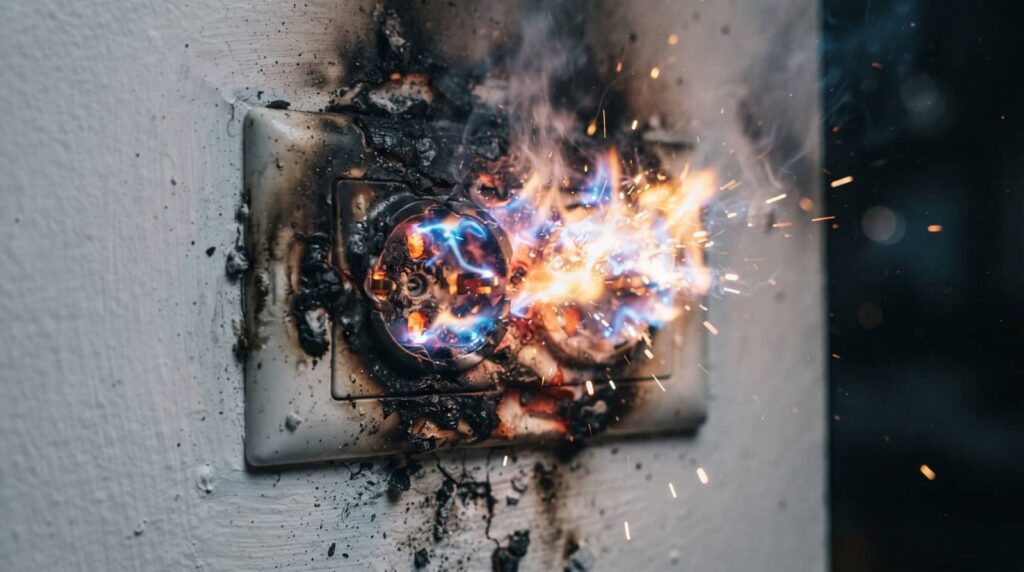
After a property fire, you need to act fast, but only after the scene is safe and cleared for entry. Smoke Damage Cleanup starts with documenting damage, limiting movement through the home, and keeping soot from spreading. Cleanup also involves evaluating surfaces, contents, and hidden moisture, because delays can lock in odor and increase repair costs. The next steps depend on what fire and smoke have damaged, and that’s where the process gets more specific.
Key Takeaways
- Ensure the property is safe, wait for clearance, and document visible fire damage before starting cleanup.
- Act quickly, because smoke, soot, and moisture spread damage into surfaces, HVAC systems, and hidden spaces.
- Use professional soot removal, HEPA vacuuming, and odor neutralization to prevent contamination from spreading.
- Remove damaged materials, dry affected areas, and inspect framing, wiring, plumbing, and HVAC for hidden damage.
- Choose a certified fire damage company with 24/7 response, transparent estimates, and insurance coordination support.
What Should You Do Right After a Fire?
Right after a fire, you should prioritize safety and call emergency services if the scene isn’t already secured. You should wait for clearance before entering, then wear protective gear if you can safely inspect the property.
Shut off utilities only if authorities say it’s safe. Document visible damage with photos, but don’t touch soot-covered surfaces or move unstable items.
Contact your insurer, then schedule fire and smoke damage cleanup with a qualified team that can remove soot, deodorize spaces, and stabilize affected materials.
Keep family members and pets away from contaminated areas, and gather essentials from undamaged sections only.
You’re not handling this alone; a trained crew will help you restore order, protect health, and move forward with confidence.
Why Fire Damage Cleanup Can’t Wait
You need to start cleanup quickly because smoke residue spreads into porous surfaces, HVAC pathways, and other untouched areas within hours.
If water was used to extinguish the fire, moisture can trigger hidden damage, including corrosion, swelling, and microbial growth behind walls and under flooring.
Acting fast lets you contain contamination, document conditions, and reduce the scope of restoration.
Smoke Residue Spreads Fast
As soon as a fire is out, smoke residue can settle and spread through walls, ceilings, contents, and HVAC systems, making damage worse by the hour. You need to act quickly, because fine soot particles move with air currents and cling to surfaces you’d otherwise miss.
When you start cleanup right away, you limit how far contamination travels and protect more of your property.
- Dark film on trim
- Gray dust inside vents
- Oily specks on glass
- Stained upholstery fibers
- Powdery soot on shelves
You’re not alone in this process; a coordinated response helps you regain control.
Professionals use containment, filtration, and targeted cleaning to stop residue from migrating. Fast action gives your space a better chance of recovery and reduces the scope of restoration you’ll need.
Moisture Causes Hidden Damage
Moisture from firefighting efforts can quickly soak into drywall, insulation, flooring, and hidden cavities, creating damage that isn’t always visible at first.
You need to dry these areas fast because trapped water can weaken materials, swell wood, and feed mold within 24 to 48 hours.
You’ll want a trained crew to inspect with moisture meters, open affected sections, and set up air movers and dehumidifiers.
They’ll also check wall voids, subfloors, and HVAC pathways so you don’t miss concealed wet spots.
When you act quickly, you protect your structure, reduce repair costs, and keep your recovery on track.
You’re not handling this alone; with the right cleanup team, you can restore a safe, stable space for everyone who belongs there.
How Pros Remove Soot and Smoke
You’ll start with soot source assessment, where pros identify the fire patterns, affected materials, and contamination levels to plan the right cleanup method.
Next, they use HEPA vacuum extraction to lift dry soot from surfaces without spreading particles into clean areas.
Then they apply smoke odor neutralization to treat residues at the source and reduce persistent odors safely and effectively.
Soot Source Assessment
A thorough soot source assessment pinpoints where smoke traveled, what surfaces it affected, and how deep the residue penetrated.
You’ll see pros map the fire’s path, note airflow patterns, and identify hidden deposits behind trim, in vents, and along ceilings. This step tells you which rooms need focused treatment and which materials can be safely cleaned.
Your crew documents discoloration, oily film, and odor intensity so they can match the right cleaning method to each area. That careful triage helps you feel informed and included in every decision.
- Dark streaks on walls
- Gray film on window frames
- Smudged cabinet corners
- Ceiling edges with haze
- Fine soot on shelves
HEPA Vacuum Extraction
HEPA vacuums lift loose soot, ash, and fine smoke particles before they can be spread during cleaning.
You’ll see pros start with dry extraction on ceilings, walls, trim, and contents, using sealed filters that capture microscopic debris. They work methodically, overlapping passes and changing attachments to match surfaces, so you get thorough removal without grinding residue deeper into fibers or finishes.
This step protects your home team by reducing airborne particles and keeping cleaned areas from recontaminating.
If you’re part of the restoration process, you’ll notice the crew checks filters, seals bags, and vacuums edges, vents, and crevices last. That careful sequence helps you move from heavy contamination to a cleaner, more stable space.
Smoke Odor Neutralization
Once the loose soot is removed, pros neutralize smoke odor by treating the surfaces and materials that absorbed it, not just masking the smell.
You’ll see them inspect drywall, upholstery, ductwork, and hidden voids, then choose the right deodorizing method for each material. They may apply thermal fogging, ozone, hydroxyl, or sealing primers to break odor molecules at the source.
- Cleaned walls with a fine, gray residue
- Upholstered chairs holding a stale haze
- Open vents carrying smoke through rooms
- Carpets needing deep deodorizer treatment
- Freshly sealed surfaces that smell neutral again
This step helps your property feel like home again, and it gives your space a clean, safe reset.
Can Smoke Odor Be Removed Completely?
Can smoke odor be removed completely? In many cases, yes, if you act quickly and use a full remediation process.
You’ll need to isolate the affected area, remove soot, clean all surfaces, and treat hidden cavities where odor molecules settle.
Then you can apply advanced deodorization, such as thermal fogging, hydroxyl treatment, or ozone, depending on the materials and contamination level.
These methods don’t just mask smells; they break down odor compounds at the source.
If smoke has penetrated deeply or the fire was severe, you may need repeated treatment to reach a neutral result.
With skilled cleanup, you can restore a clean indoor environment and feel comfortable returning to your space with confidence.
Can You Save Furniture and Other Contents?
Yes, in many cases you can save furniture and other contents if you respond quickly and the damage is limited to surface contamination.
You should separate salvageable items from heavily charred or soaked ones, then document everything before cleaning starts.
Professional teams inspect materials, test finishes, and choose methods that lift soot without spreading it.
You’ll often keep more than you expect when you act early and work with people who know the process.
- A dining chair with a gray soot film
- Framed photos wrapped in powdery residue
- Upholstered cushions with a sharp smoke smell
- Books lined up for dry cleaning
- A wooden table needing careful wipe-downs
This step helps your belongings stay with your household, not the fire.
What Repairs Happen After Cleanup?
After cleanup, crews usually move into repairs that restore the structure and finishes affected by heat, smoke, or water.
You’ll often see damaged drywall removed, framing inspected, and compromised insulation replaced. Technicians can patch or replace ceilings, doors, trim, and flooring where fire, soot, or extraction water caused failure.
They’ll seal stains, neutralize lingering odors, and repaint after surfaces dry and pass inspection. If wiring, plumbing, or HVAC components were exposed, licensed trades may repair or replace them before closing walls.
You should expect careful sequencing so each layer is secure before the next begins. This process helps your home become safe, functional, and familiar again, and it gives you a clear path back to normal life with your household.
How Do You Choose a Fire Damage Company?
Choosing a fire damage company starts with confirming that the team can respond quickly and handle the full scope of cleanup, from soot and smoke removal to odor control, debris disposal, and structural drying.
You should verify certifications, insurance, and fire restoration experience before you invite anyone in. Ask how they document damage, protect salvageable items, and coordinate with your insurer.
Look for clear procedures, transparent estimates, and 24/7 availability, because a reliable crew helps you feel supported when everything seems unsettled.
- HEPA vacuums clearing ash from trim
- Tarps shielding furniture from soot
- Moisture meters checking hidden walls
- Deodorizers treating smoke-logged rooms
- Labeled bins sorting damaged belongings
Frequently Asked Questions
How Much Does Fire Damage Cleanup Usually Cost?
You’ll usually pay $3,000-$30,000, depending on damage size, soot, odor, and structural repairs. You can reduce costs by calling professionals quickly, documenting losses, and starting cleanup fast so your space recovers safely.
Does Homeowners Insurance Cover Fire and Smoke Cleanup?
Usually, yes—your homeowners policy often covers fire and smoke cleanup, including soot and odor removal, after you verify limits and deductible. You’ll document damage, file promptly, and work with your insurer throughout.
How Long Does Fire Cleanup Take to Complete?
Fire cleanup can take hours to weeks, depending on damage severity. You’ll start with assessment, then debris removal, soot cleaning, deodorizing, and drying. Your team will keep you informed, so you’re never left guessing.
Is It Safe to Stay in the Property During Cleanup?
Absolutely not—unless the damage is truly minimal, you shouldn’t stay. You’ll follow technicians’ safety guidance, avoid contaminated air, and relocate until they clear hazards; that’s the smartest, safest way to protect yourself and your home.
What Documents Should I Keep for My Insurance Claim?
You should keep your policy, claim number, photos, videos, receipts, repair estimates, inventories, and temporary housing records. You’ll also want adjuster notes and contractor invoices, so you can document losses clearly and support every reimbursement.
Recap
After a fire, you should act fast because every hour counts. Fire damage studies show that smoke residue can etch surfaces and discolor materials within 24 to 48 hours, making cleanup more difficult and costly. Once you’ve confirmed the property is safe, you should document the damage, start professional cleanup, and follow the proper repair sequence. When you move quickly, you’ll limit hidden damage, reduce odors, and give your home a better chance at full recovery.